From Food Processing Waste to Potable Water — Engineering That Delivers
At BBEnergy, we’re proud to share the continued success of one of our standout water treatment projects: a Membrane Biological Reactor (MBR) wastewater treatment plant that transforms food processing wastewater into potable water — treated to meet SANS241:2015 standards for safe reuse.
This isn’t just a design win. We deliver, operate, and maintain this plant, day in and day out — and it’s performing exactly as engineered.
Inside the System
- 100kL of product water per day
- Primary Screening to remove solids upfront
- MBR system for advanced biological treatment
- Secondary Filtration via bag filters and UF membranes
- GAC Polishing for colour and odour removal
- Disinfection for final water safety assurance
- Full automation with a DELTA PLC and custom control logic for precision and reliability
Smarter Monitoring, Greater Confidence
We’ve taken performance visibility even further with the WABBIT platform — giving our team and clients exceptional remote monitoring and reporting capabilities.
It means faster response times, proactive maintenance, and total peace of mind, wherever you are.
This project is a real-world example of how thoughtful engineering, robust automation, and smart monitoring can turn a waste stream into a valuable resource — supporting sustainability and water security in industry.
Let’s Talk Water
Water reuse technology has an increasingly important role to play in addressing industrial water scarcity. At BBEnergy, we continue to explore and implement practical engineering solutions that support sustainable water use and long-term water security.
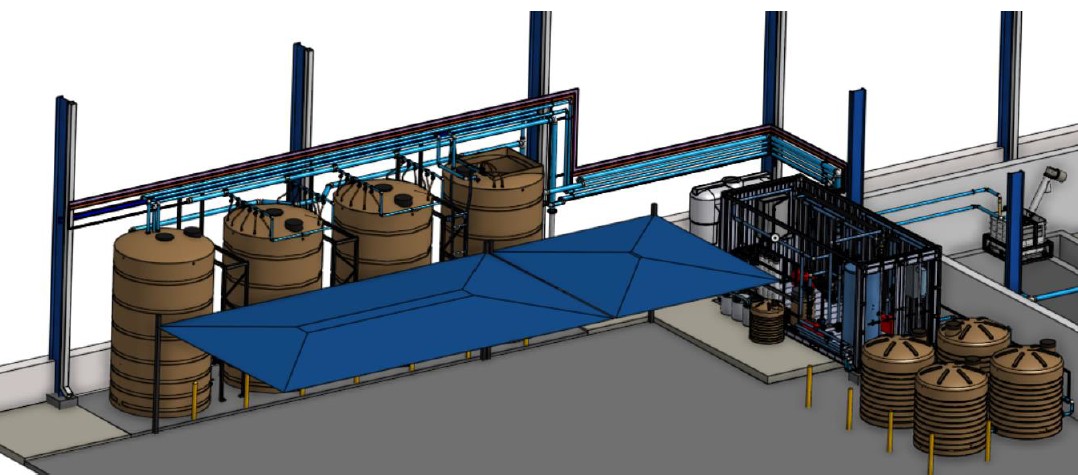
Figure 1 – 3D engineering design of BBEnergy’s industrial water treatment plant, illustrating the integrated storage tanks, pipework, filtration systems and treatment infrastructure used in the water treatment process.
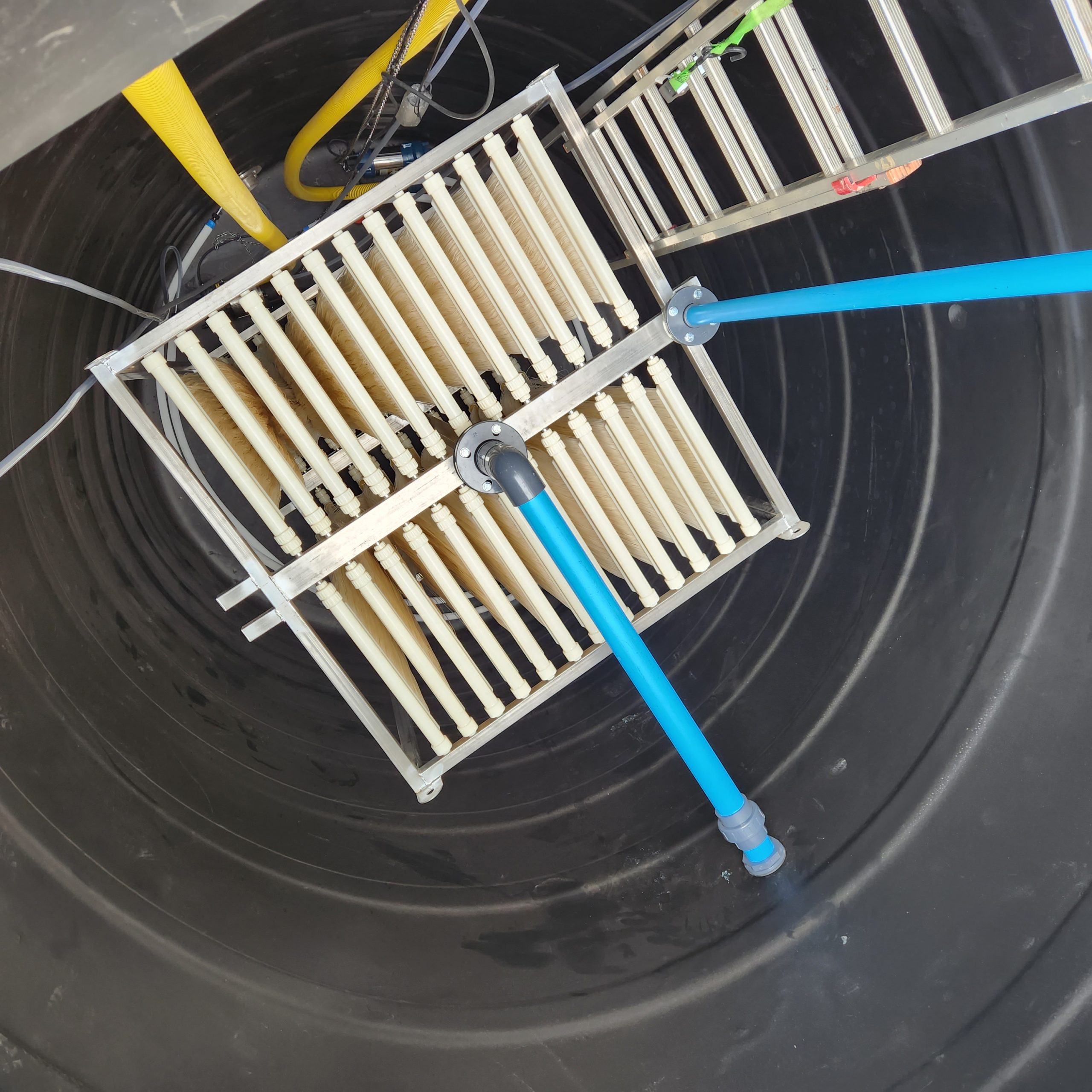
Figure 2 – MBR membrane pack installed within the treatment tank, forming part of the advanced biological treatment process used to separate treated water from suspended solids.
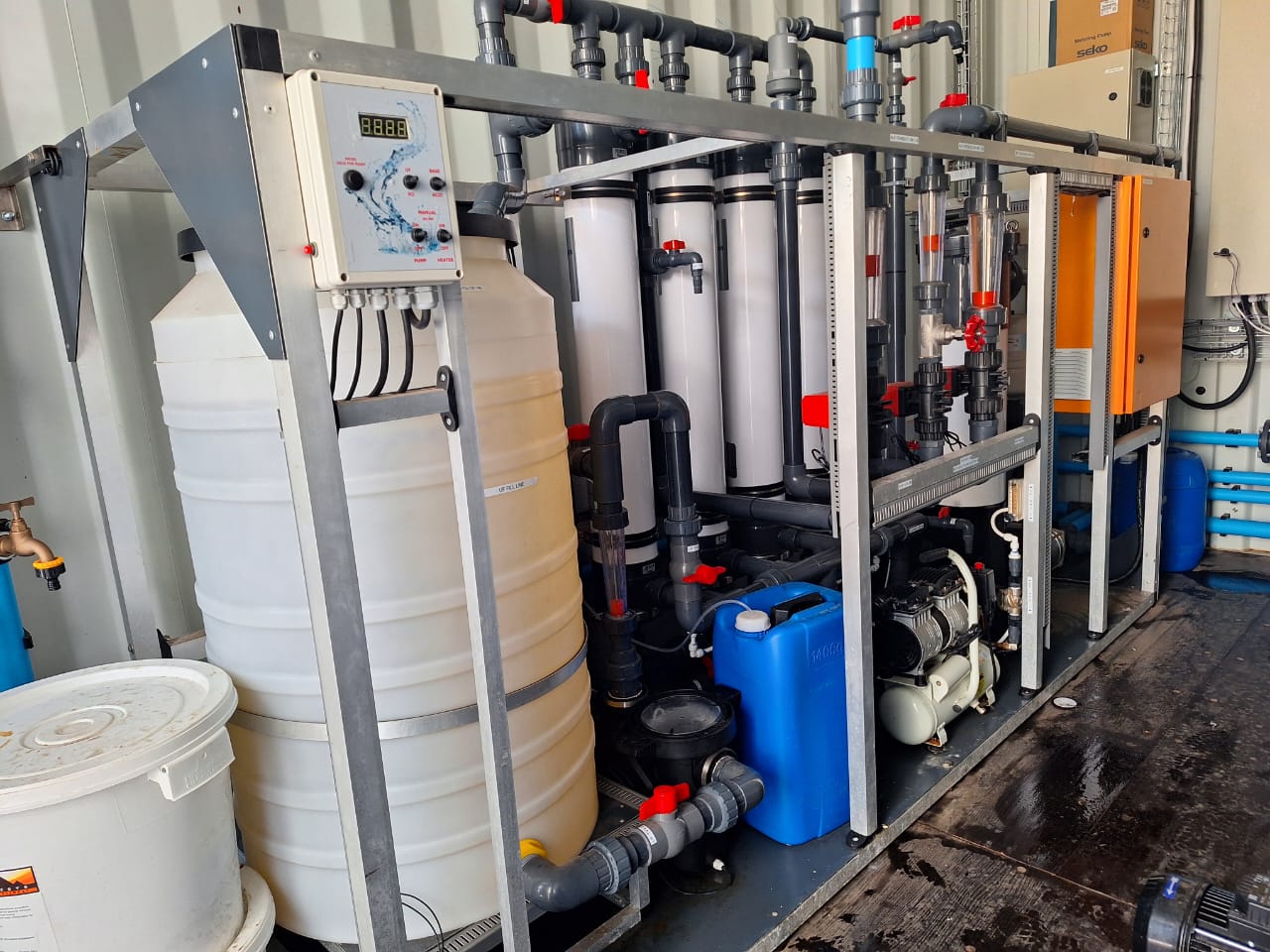
Figure 3 – Water treatment filtration and dosing system incorporating filter housings, pumps, flow meters, chemical dosing equipment and integrated pipework as part of the plant’s treatment process.
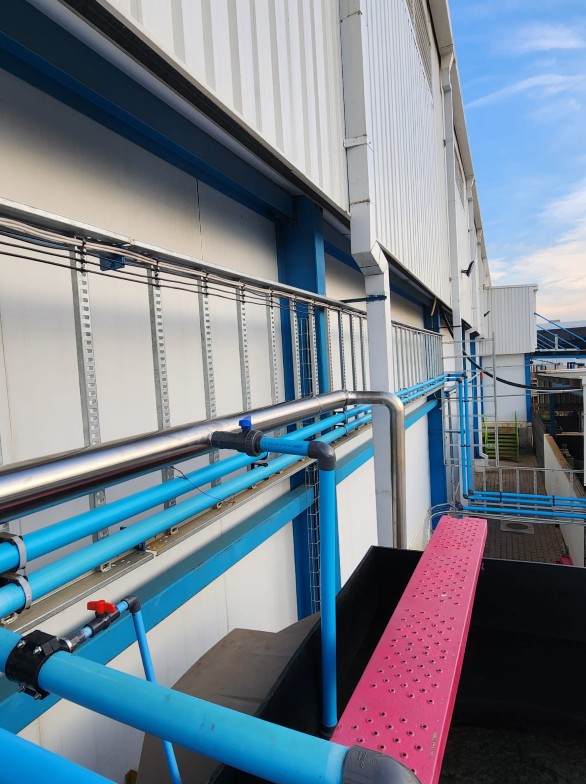
Figure 4 – Installed water treatment pipework and infrastructure, showing the integrated piping network used to transfer water between the various stages of the treatment process.
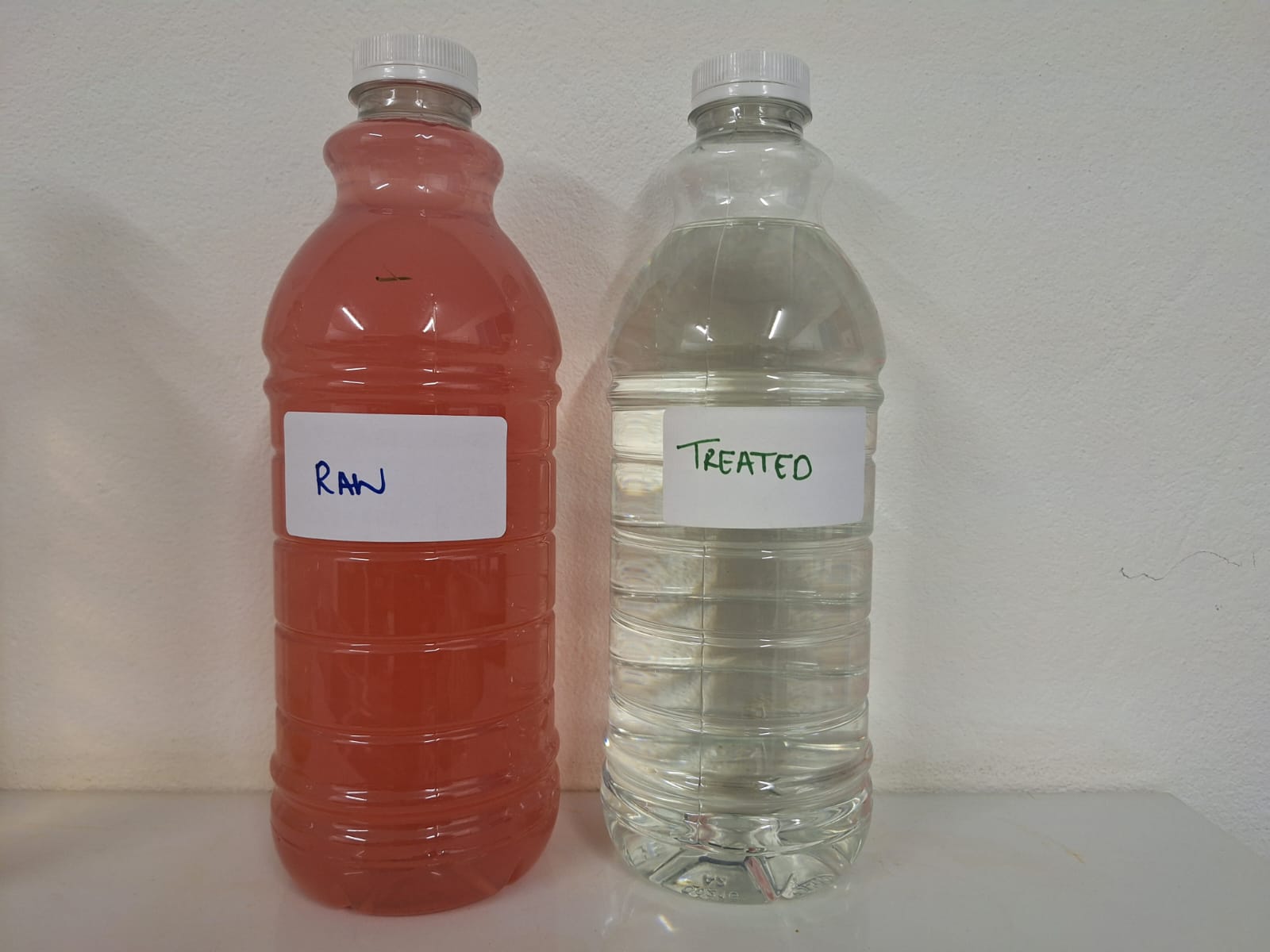
Figure 5 – Comparison of raw food processing wastewater and treated water, demonstrating the visible improvement in water quality achieved through the treatment process.